Tourist Needs a Myth: Creating Your Hotel’s Legend
- Nika Seitler

- Oct 31, 2025
- 3 min read
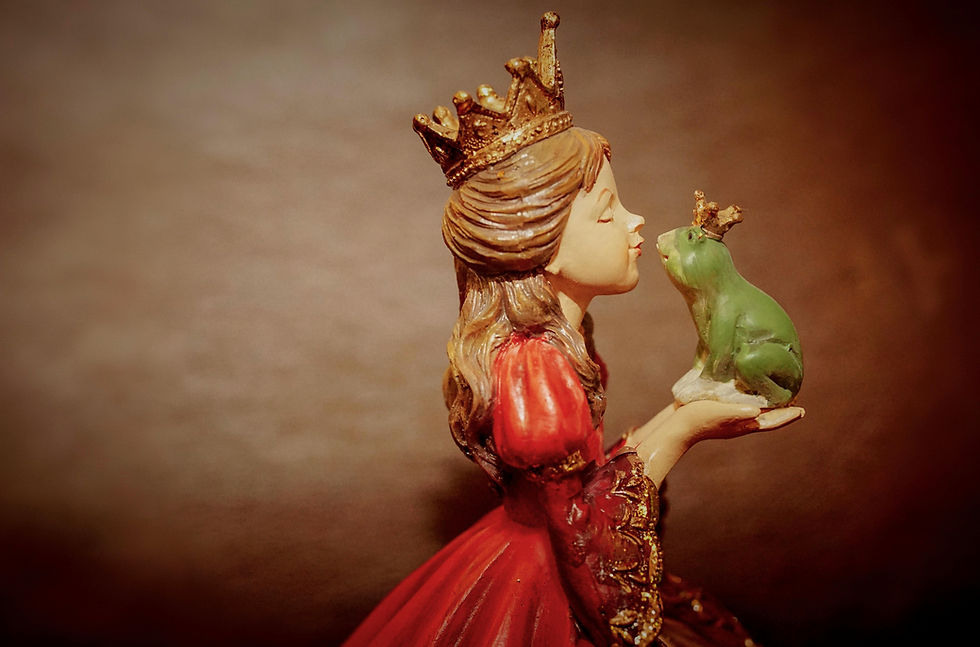
Travel isn’t just logistics; it’s meaning-making. As cultural theorists note, tourism runs on images, symbols and stories that help visitors interpret a place. John Urry famously argued that “the gaze is constructed through signs, and tourism involves the collection of signs,” which travelers assemble into a narrative about where they’re going and who they’ll be there.
Anthropologists push this further. Nelson Graburn cast tourism as a kind of “sacred journey”—a ritual break from ordinary life that is legitimated and structured by shared myths. Framed this way, a destination without a story is a rite without a script.
Recent destination-storytelling research makes the practical case, not just the poetic one. Calvi and Hover write that “myths can be part of the established narratives of tourist destinations: they offer a perspective on reality that may alter it but that makes it also more insightful… This altered perspective on a place ensures visitors will feel touched by the myth and connected to the place, and the myth itself will be retold.” In other words, good myths travel home with your guests.
And the effect isn’t confined to marketing copy. A 2025 study on guiding quality found that “impressive and gripping stories” told by tour guides measurably increased visitor attention and tour satisfaction—clear evidence that narrative craftsmanship shapes the on-property experience as much as the pre-arrival promise.
What counts as a “myth” for a hotel?
We’re not talking about inventing fantasy. Think founding tales, local lore, micro-rituals, and signature characters—curated into a coherent arc that aligns with your place and promise.
• Origins as legend. Was the property a 19th-century post station? A family refuge after the war? These aren’t footnotes; they’re act one. Tourism studies show that travelers are “interested in everything as a sign of itself,” primed to decode meaning in materials, motifs, and moments when we make those signs legible. 
• Place myths, responsibly used. Myths and legends are recognized in scholarship as potent tourism resources that can structure experience—if they’re handled with care and accuracy. 
• The hotel as myth-maker. Scholars describe tourism as enacting modern myths—nature, freedom, and paradise among them. Your brand can stage these ethically through design, programming, and service cues that make the abstract tangible. 
How to build your hotel’s legend
1. Name the plot. Choose a simple arc guests can tell back: arrival → initiation → belonging → return. This mirrors the “sacred journey” break-and-return structure and helps staff stage consistent touchpoints (welcome rites, insider handoffs, farewell tokens). 
2. Cast the characters. Give faces to the story: the beekeeper supplier; the grandma who still braids bread on Sundays; the night porter who knows the valley’s weather myths. Calvi & Hover’s work stresses that myths “highlight… idiosyncrasies,” making places memorable through human specificity. 
3. Design your signs. If tourism is the “collection of signs,” design them deliberately: a key-fob stamped with an old trail mark; room cards that quote a local proverb; a lobby map that traces the town’s founding legend. Every sign should reinforce the same narrative thread. 
4. Tell it live. Train front-of-house teams to narrate, not recite. Evidence shows storytelling performance influences satisfaction; workshop 60-second “pocket stories” for check-in, bar chat, and concierge moments. 
5. Let guests co-author. Urry’s gaze has evolved into a shared gaze through social media; encourage UGC prompts tied to your myth (“Show us your initiation—first plunge in the mountain lake”). Then reshare with context so the legend remains coherent. 
6. Align promise and place. Research on luxury hotels emphasizes crafting a “sense of place” where brand identity meets local heritage. Your legend must be true in the room as well as online—scent, sound, sourcing, materials, and micro-rituals all need to echo it. 
7. Anchor in values travelers care about. Destination organizations report that today’s visitors seek authenticity and community impact (e.g., 77% want experiences representative of local culture). Weave local makers, practices, and benefits into the legend so guests feel they’re part of something real. 
Guardrails: myth without myth-making
• Be accurate and respectful. Myths are powerful but can slip into stereotype. Avoid commodifying heritage; use primary sources and living community voices. (Critical work on the tourist gaze warns how simplified images can flatten cultures.) 
• Don’t over-script. Leave space for serendipity; your legend should invite discovery, not dictate it.
• Measure resonance. Track story mentions in reviews, tour-guide narrative quality, and conversion from story-led content. Link what’s told to what’s sold.
The takeaway
“Tourists need myths” because myths turn a stay into a story—and stories into memory, meaning, and advocacy. Build a legend grounded in truth, staged through signs, and performed with care, and guests will carry your hotel home in their heads and their hearts—then retell it for you. 

Comments